What Are the Challenges of Rat Control in Sydney?
Sydney’s warm climate and dense urban environment create ideal conditions for rat populations to thrive year-round. Residents and businesses face persistent infestations that require strategic, ongoing management rather than one-time solutions.
The primary challenges of rat control sydney include:
- Rapid reproduction rates – a single pair of rats can produce up to 2,000 descendants annually
- Adaptable behavior – rats quickly learn to avoid danger and find new entry points
- Structural vulnerabilities – older buildings with gaps larger than 25mm provide easy access
- Food availability – improper waste disposal and accessible food sources sustain populations
- Hidden nesting sites – rats establish colonies in wall cavities, roof spaces, and underground burrows
Commercial properties face additional pressure from health regulations and reputation risks. Restaurants, warehouses, and retail spaces must maintain strict pest-free standards while managing high foot traffic that can introduce new infestations. Understanding how bait stations and traps differ becomes essential for selecting the most effective control method for each unique situation.
Why Are Bait Stations and Traps Commonly Used for Rat Control in Sydney?
Bait stations and traps are the most popular methods for controlling rats in Sydney. They are effective in different situations and provide measurable results. These methods target areas where rats are known to inhabit, such as walls, under buildings, and near food sources, making them suitable for both homes and businesses.
Advantages of Bait Stations and Traps for Rat Control
Bait stations are an essential tool used by rat control professionals in Sydney. Here are some key benefits they offer:
- Targeted application: Bait stations can be strategically placed in areas where rat activity is observed, minimizing the risk of exposing non-target animals or pets to rodenticides.
- Immediate feedback: Unlike other methods where results may take time to assess, traps provide instant visual confirmation of control success. This allows pest control experts to quickly adjust their strategies if needed.
- Flexible deployment: Both bait stations and traps can be used effectively in various environments such as warehouses, restaurant kitchens, and residential properties.
- Cost-effectiveness: Compared to more expensive methods like fumigation or making structural changes, these tools require a lower initial investment.
Proven Success in Sydney’s Urban Landscape
The popularity of bait stations and traps can be attributed to their proven success in Sydney’s diverse urban landscape. Different types of properties have adopted these methods based on their specific needs:
- Apartment complexes use bait stations for discreet ongoing control measures.
- Cafés prefer using traps near food preparation areas where poison is not suitable.
This versatility makes bait stations and traps the preferred solutions for pest control professionals dealing with Sydney’s persistent rat populations.
How Do Bait Stations Work in Controlling Rat Infestations?
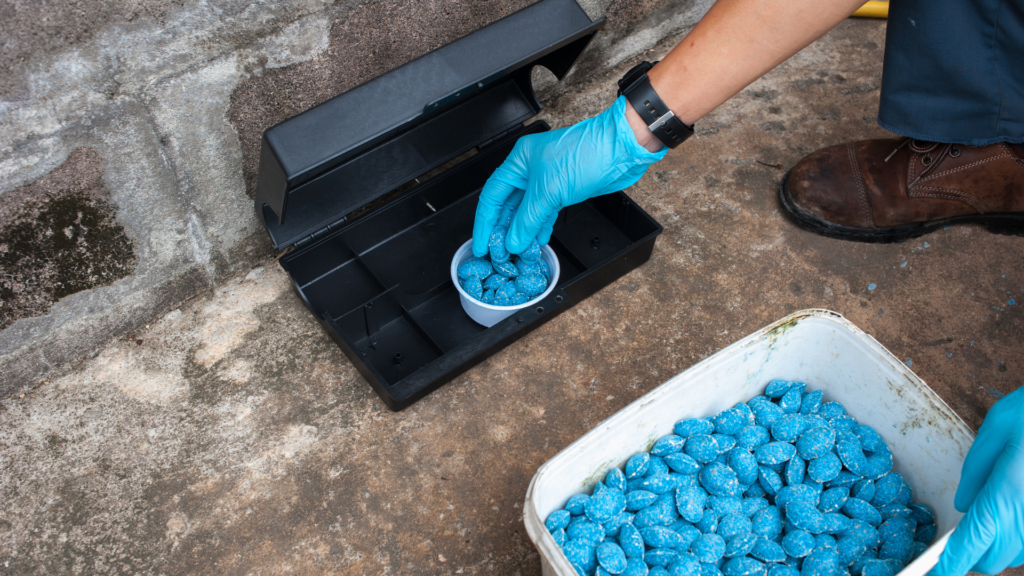
Bait stations control rat infestations by using tamper-resistant containers that hold toxic rodenticide. These containers have specially designed openings that allow rats to enter but keep out children, pets, and non-target wildlife. The bait inside the stations is protected from weather, moisture, and contamination, ensuring its effectiveness.
How Rats Discover Bait Stations
Rats are naturally curious creatures and tend to explore their territory along walls and hidden pathways. Pest control professionals take advantage of this behavior by strategically placing bait stations in areas where rats are likely to come across them.
The Poisoning Process
Once a rat discovers a bait station and enters it, it will consume the rodenticide bait inside. Depending on the active ingredient used in the bait, the poison either interferes with the rat’s blood clotting ability or disrupts its nervous system.
The effects of the poison are not immediate. Instead, they typically take 3-7 days to manifest after the rat has consumed the bait. During this time, the rat continues its normal feeding patterns, which helps prevent bait shyness—a learned avoidance behavior that occurs when rats associate immediate illness with a food source.
Key Features of Bait Stations
Bait stations have several important features that enhance their effectiveness:
- Lockable lids to secure bait and prevent tampering
- Baffled entry points sized specifically for rats (approximately 50-75mm)
- Interior bait securing rods or trays to hold blocks or pellets in place
- Weatherproof construction for both indoor and outdoor use
- Transparent inspection windows on some models for monitoring consumption
Placement of Bait Stations
Pest control professionals strategically position bait stations at intervals of 5-10 meters along known rat pathways, near burrow entrances, and in areas where fresh droppings or gnaw marks are visible. This targeted approach increases the likelihood of rats finding and consuming the poisoned bait.
What Types of Baits Are Used in Bait Stations for Rat Control?
There are several types of baits used in bait stations for rat control, each designed to target specific preferences and behaviors of rats. Here are the main categories of baits:
1. Grain-based baits
Grain-based baits are the most common type used in bait stations. They consist of wheat, oats, or corn pellets mixed with rodenticide. Rats are naturally attracted to these familiar food sources, making grain formulations highly effective for initially luring them in. The pellets are also resistant to moisture, ensuring that they remain tasty and effective for long periods inside the bait stations.
2. Protein-based baits
Protein-based baits include meat meal or fish flavoring to appeal to rats’ dietary preferences, especially during warmer months when their cravings for protein increase. These formulations work exceptionally well in commercial kitchens, restaurants, and food processing facilities where rats have developed a liking for protein-rich foods. It’s worth noting that people play a crucial role in managing rodent control on poultry farms, which can provide insights into how protein-based baits can be effectively utilized.
3. Sweet-tasting baits
Sweet-tasting baits use molasses, peanut butter, or fruit flavoring to create an irresistible lure for rats. This type of bait is particularly useful when there are limited competing food sources available, as the sweet taste stands out against typical urban food waste. The sticky consistency of these baits also ensures that rats consume sufficient amounts of the active ingredient.
4. Wax blocks
Wax blocks are a unique type of bait that combines rodenticide with a paraffin base. This makes them weather-resistant and able to withstand Sydney’s humid conditions. These blocks prevent mold growth and maintain their effectiveness in damp environments such as basements, crawl spaces, and outdoor stations near water sources.
The choice between these types of baits used in bait stations for rat control depends on various factors such as:
- The location of the infestation
- The availability of competing food sources
- The specific environmental conditions of each property in Sydney
In some cases, such as dealing with ant infestations alongside rat problems, certain life hacks can be utilized, which may provide additional strategies for pest control. Furthermore, understanding the environmental conditions can significantly aid in choosing the right bait type and strategy for effective rodent control.
What Safety Measures Are Implemented in Bait Stations to Protect Non-Target Animals and Children?
Safety measures bait stations non-target animals children include tamper-resistant designs that prevent unauthorized access to toxic baits. These protective housings feature secure locking mechanisms requiring keys or tools to open, ensuring only trained professionals can access the rodenticide inside.
The physical structure of bait stations creates barriers through narrow entry tunnels sized specifically for rats. These openings measure approximately 25-40mm, allowing target rodents to enter while excluding larger animals like cats, dogs, and possums. The internal baffles and turns prevent children’s fingers from reaching the bait compartments.
Bait stations anchor firmly to walls or floors using mounting brackets or heavy weighted bases. This stability prevents curious pets or children from moving, tipping, or opening the units. Many models include:
- Dual-locking systems requiring simultaneous actions to open
- Internal bait securing rods that hold blocks firmly in place
- Labelled warning signs indicating poison presence
- Weather-resistant materials preventing bait exposure to elements
Professional pest controllers position bait stations in strategic locations away from high-traffic areas where children and pets frequent. They place units behind appliances, in roof voids, under decking, or within secured perimeters. The enclosed design also protects baits from moisture and contamination, maintaining their effectiveness while containing any spillage.
Licensed operators maintain detailed placement maps and conduct regular inspections to ensure stations remain intact and properly secured throughout treatment periods.
How Do Traps Differ from Bait Stations in Terms of Mechanisms and Effectiveness?
Traps and bait stations operate through fundamentally different mechanisms—traps physically capture or kill rats immediately upon contact, while bait stations rely on rodents consuming poison that takes effect over several hours or days. This distinction creates significant differences in how quickly results appear and how each method addresses infestations.
Key Mechanism Differences:
- Traps use mechanical force (snap traps), electrical shock (electric traps), or containment (live catch traps) to stop rats instantly at the point of contact
- Bait stations house toxic substances that rats ingest and carry back to nesting areas, potentially affecting multiple rodents from a single feeding
The effectiveness of traps versus bait stations mechanisms effectiveness depends heavily on infestation severity. Traps excel in situations with one to three rats, providing immediate confirmation through visible catches. They work best when placement targets specific travel routes along walls and near food sources.
Bait stations prove more effective for moderate to severe infestations where multiple rats require control. The delayed action allows rats to feed without associating the station with danger, encouraging repeated visits. However, this method requires patience—results may take 3-7 days to become apparent as poisoned rats die in hidden locations throughout the property.
What Are the Different Types of Traps Available for Rat Control in Sydney?
Sydney pest control professionals use three main types of traps, each designed for specific infestation situations and property needs.
1. Snap Traps
Snap traps are the most traditional option. They deliver instant kills through a spring-loaded metal bar that activates when rats disturb the trigger plate. These cost-effective devices work best for light to moderate infestations and require strategic placement along walls where rats naturally travel. An example of a highly effective snap trap is the Victor Tin Cat Mouse Trap, known for its efficiency and durability.
2. Live Catch Traps
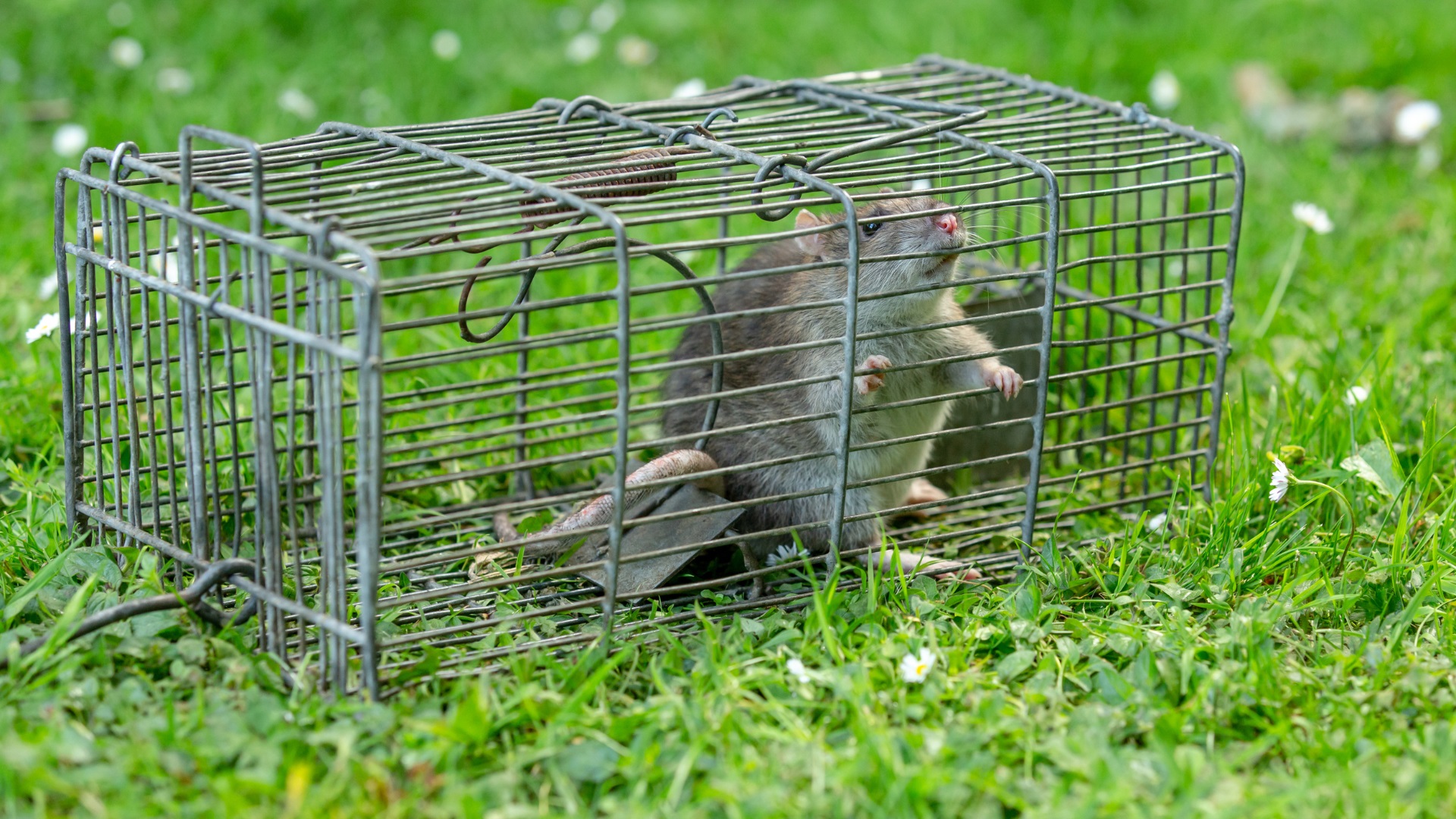
Live catch traps provide a humane alternative by capturing rats alive inside enclosed chambers without causing injury. These wire or plastic cages feature one-way entry mechanisms that prevent escape once triggered. Property owners who prefer non-lethal methods often choose this option, though captured rats must be relocated far from residential areas to prevent return.
3. Electric Traps
Electric traps represent the modern evolution in rat control technology, using battery-powered systems to deliver high-voltage shocks that kill rodents within seconds. These enclosed units contain bait chambers that lure rats inside, where metal plates complete an electrical circuit upon contact. The sealed design prevents exposure to dead rodents and eliminates the mess associated with snap traps.
Each trap type serves distinct purposes within comprehensive rat control strategies:
- Snap traps excel in accessible areas requiring immediate results
- Live catch traps suit situations where relocation is preferred
- Electric traps offer sanitary solutions for sensitive environments like food preparation areas
Professional pest controllers assess property conditions to recommend the most appropriate trap configuration for maximum effectiveness. In recent years, advancements such as automating pest control have further improved the efficiency and effectiveness of these trapping methods, providing even more options for homeowners dealing with rat infestations.
How Do Bait Stations and Traps Differ in Terms of Application Methods?
Bait stations versus traps application methods vary significantly in setup, maintenance, and monitoring requirements.
Bait Station Application Process
The application process involves:
- Initial setup: Installing tamper-resistant boxes at 5-10 meter intervals along walls and known rat pathways
- Regular monitoring: Checking stations weekly to assess bait consumption and refill as needed
- Long-term maintenance: Replacing depleted rodenticide blocks and cleaning stations to maintain attractiveness
Trap Application Process
The application differs in several ways:
- Immediate deployment: Setting traps in specific high-activity zones identified through droppings or gnaw marks
- Daily inspection: Checking traps every 24 hours to remove captured rats and reset devices
- Bait refreshment: Replacing trap bait every 2-3 days to maintain freshness and appeal
Bait stations operate as passive, continuous control points requiring less frequent attention but longer commitment periods. Traps demand active daily management but provide immediate results and confirmation of capture. Property size influences which method proves more practical—larger commercial spaces often benefit from bait station networks, while residential properties with light infestations see faster results from targeted trap placement.
What Role Does Early Detection Play in Effective Rat Control Strategies?
Early detection is crucial for successful rat control. It allows property owners to deal with infestations before rat populations grow and cause significant damage. By identifying signs of rat activity within the first few days or weeks, treatment costs can be greatly reduced, and health risks associated with established colonies can be avoided.
Key indicators that signal rat presence include:
- Droppings: Fresh, dark pellets approximately 12-18mm long appearing near food sources or along walls
- Gnaw marks: Fresh scratches on wood, plastic, or electrical wiring showing lighter-colored material underneath
- Scratching sounds: Nocturnal noises in walls, ceilings, or roof spaces between dusk and dawn
- Grease marks: Dark smudges along baseboards where rats repeatedly travel the same pathways
- Nests: Shredded paper, fabric, or insulation materials clustered in hidden areas
Identifying these warning signs enables immediate deployment of appropriate control methods—whether bait stations for larger infestations or targeted trapping for isolated incidents. The role of effective rat control strategies cannot be overstated; a single breeding pair can produce up to 2,000 descendants annually under ideal conditions.
Regular property inspections, particularly in high-risk areas like kitchens, storage rooms, and entry points, create opportunities to spot activity before rats establish territorial dominance. This proactive approach transforms rat management from reactive crisis control into preventative maintenance.
What Prevention Strategies Should Be Combined with Bait Stations and Traps for Comprehensive Rat Management?
Prevention strategies combined with bait stations and traps create a multi-layered defence that addresses both active infestations and future risks. Relying solely on elimination methods without addressing environmental factors allows rats to return repeatedly.
Structural modifications form the foundation of comprehensive rat management. Seal all entry points larger than 25mm using steel wool, metal sheeting, or cement. Rats squeeze through surprisingly small gaps, making thorough inspection of foundations, roof lines, and utility penetrations essential.
Food source management removes the primary attraction for rats:
- Store all food in metal or heavy-duty plastic containers with tight-fitting lids
- Clean up pet food immediately after feeding times
- Secure compost bins with rodent-proof lids
- Remove fallen fruit from gardens promptly
Environmental maintenance reduces shelter opportunities around properties. Trim vegetation at least 30cm away from building exteriors, eliminating climbing routes to upper levels. Clear accumulated debris, woodpiles, and dense ground cover where rats nest.
Waste management protocols prevent food access. Use wheelie bins with secure lids, clean bins regularly to remove residual odours, and avoid leaving garbage bags exposed overnight.
These prevention strategies work synergistically with bait stations and traps, creating hostile conditions that discourage rat colonization while active control methods eliminate existing populations. Properties implementing both approaches experience significantly lower re-infestation rates compared to those using elimination methods alone.
Why Is Seeking Professional Pest Control Services Recommended for Effective Rat Management in Sydney?
Professional pest control services are recommended for effective rat management in Sydney because they provide comprehensive solutions that address both immediate infestations and long-term prevention. Licensed technicians possess specialized knowledge about rat behavior, optimal placement strategies for bait stations and traps, and safe handling of rodenticides that homeowners typically lack.
Key advantages of professional services include:
- Thorough property inspections that identify hidden entry points, nesting sites, and the full extent of infestation
- Strategic deployment of both bait stations and traps based on rat activity patterns and property layout
- Safe application of rodenticides with proper licensing and adherence to Australian safety standards
- Structural sealing of entry points larger than 25mm to prevent re-infestation
- Ongoing monitoring with scheduled follow-up visits to assess treatment effectiveness
Professionals understand how bait stations and traps differ in specific property conditions. They customize treatment plans combining both methods when necessary, adjusting strategies based on infestation severity. DIY approaches often fail because of improper bait placement, insufficient coverage, or incomplete exclusion work.
The investment in professional pest control services recommended effective rat management Sydney typically ranges from $220 to $800 depending on severity, but prevents costly structural damage, health risks, and recurring infestations that amateur attempts frequently miss.
Related : Rodent Removal Sydney: What Happens During a Full House Inspection