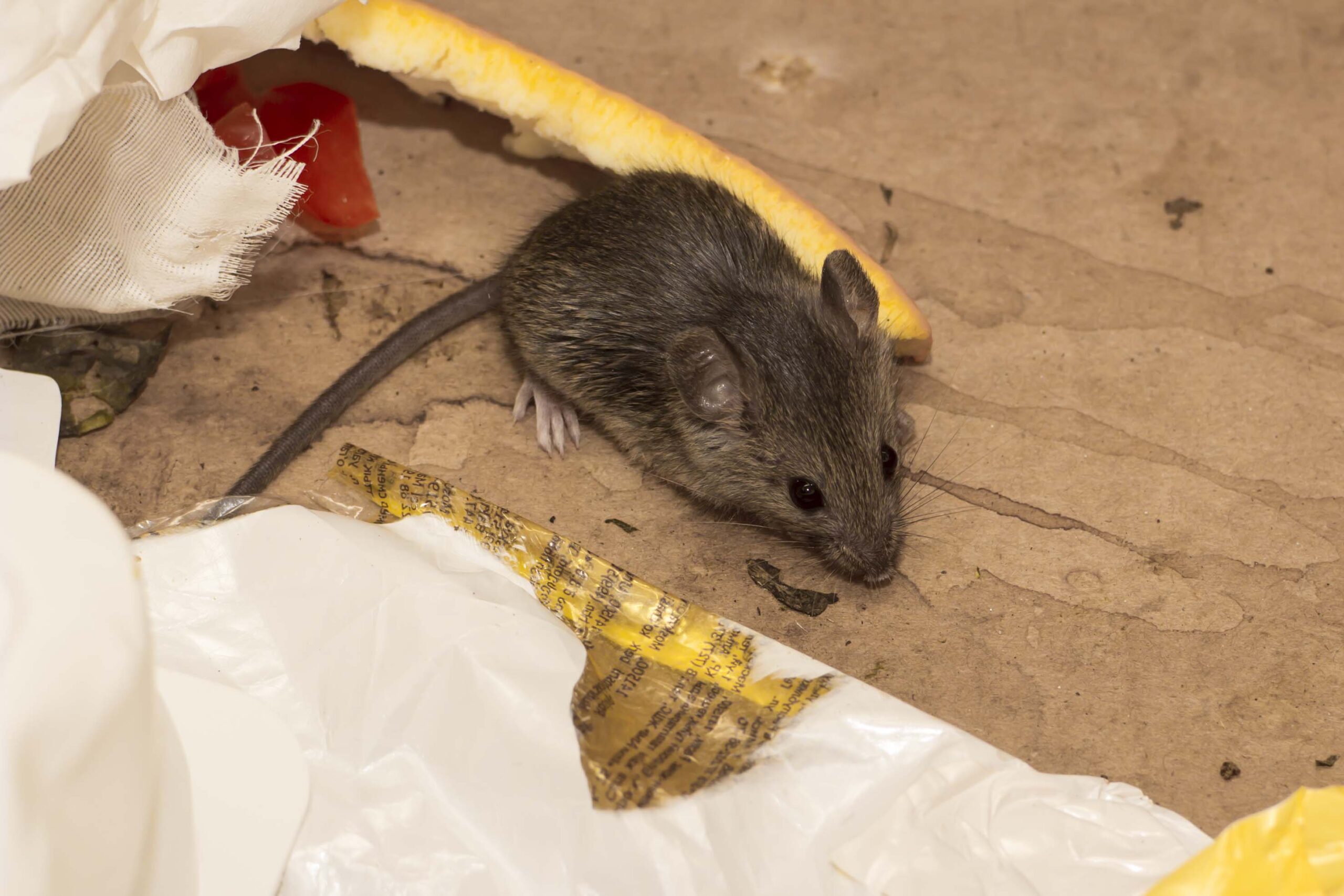
Rodent infestations are a serious problem for homes in Sydney. They can cause damage to the structure of the house, contaminate food supplies, and pose health risks to residents. Rats and mice have the ability to squeeze through small openings, making it easy for them to establish nests in areas like wall cavities, roof spaces, and other hidden spots where they can breed quickly. If left untreated, a small rodent issue can quickly turn into a large infestation within a matter of weeks.
To effectively remove rodents from your home, it is crucial to conduct a full house inspection. This thorough assessment allows trained technicians to understand the extent of the infestation, find out how the rodents are getting in, and identify any environmental factors that may be attracting them. Licensed pest control Sydney professionals have the expertise and tools necessary to tackle rodent problems systematically. They use specialized knowledge, advanced detection equipment, and proven methods to ensure that their treatment not only addresses visible signs of infestation but also targets hidden nesting sites and potential entry points. This level of expertise is something that do-it-yourself methods simply cannot achieve.
What Is a Full House Inspection for Rodent Removal?
A full house inspection is a thorough examination of your entire property to find active rodent infestations and weaknesses that allow pests to enter. Licensed technicians check every accessible area—from the roof to the foundation—to get a complete understanding of the rodent issue.
The pest inspection process has three main goals:
- Detection: Finding current rodent activity through physical signs
- Assessment: Understanding the severity and extent of the infestation
- Prevention planning: Identifying structural weaknesses that let rodents in
This rodent infestation assessment is more than just seeing a mouse in your kitchen. Technicians use specialized tools and training to find hidden nests, track movement patterns through walls, and identify environmental conditions that support rodent populations. The inspection helps create specific treatment plans instead of using one-size-fits-all solutions that might overlook important problem areas.
How Do Licensed Pest Control Professionals Conduct a Full House Inspection?
Licensed pest control professionals follow a systematic approach when conducting a full house inspection. The process begins with an initial consultation where technicians gather information about observed rodent activity and specific concerns from property owners.
The inspection methodology includes:
- External perimeter assessment – Technicians examine the building’s exterior, checking foundations, walls, roof lines, and utility penetrations for potential entry points
- Interior space evaluation – Every accessible room receives scrutiny, with particular attention to kitchens, pantries, and storage areas where food sources exist
- Concealed area investigation – Roof voids, subfloor spaces, wall cavities, and behind appliances are inspected using specialized equipment like thermal imaging cameras and moisture meters
- Documentation and mapping – Professionals record all findings, photograph evidence, and create detailed maps showing rodent activity hotspots and entry points
Technicians spend 45-90 minutes on average during a thorough inspection, depending on property size and complexity. The systematic nature of this process ensures no area goes unchecked, providing the foundation for effective rodent removal strategies.
Which Areas of the Property Are Inspected During the Full House Inspection?
A comprehensive property assessment covers every space where rodents might establish activity. Technicians inspect attics and roof voids first, as these elevated spaces provide ideal nesting conditions away from human disturbance.
Wall cavities receive careful attention through thermal imaging and acoustic detection, revealing hidden rodent highways between rooms. Basements and subfloor areas are examined for moisture accumulation and structural gaps that create perfect entry points.
The inspection extends to vulnerable areas to rodents including:
- Kitchen and pantry zones where food sources attract infestations
- Laundry rooms with plumbing penetrations and utility connections
- Garages and storage areas cluttered with potential nesting materials
- External perimeter checking foundations, vents, and drainage systems
- Garden sheds and outdoor structures often overlooked but frequently infested
Technicians pay special attention to areas where utilities enter the building—pipes, cables, and air conditioning units often create unintentional access routes that rodents exploit to gain entry into living spaces.
What Signs Do Technicians Look for to Identify Rodent Activity During the Inspection?
Licensed pest control technicians identify signs of rodents through multiple physical indicators that reveal active infestations. Droppings detection serves as the primary evidence, with fresh droppings appearing dark and moist while older ones become dry and grey—technicians examine the size, shape, and location to determine the rodent species present.
Gnaw marks on wooden structures, electrical wiring, plastic pipes, and food packaging indicate active feeding and nesting behaviour. Fresh gnaw marks appear lighter in colour compared to older damage, helping technicians assess how recent the activity has been.
Technicians also search for:
- Nesting materials such as shredded paper, fabric, insulation, or dried plant matter tucked in hidden corners
- Grease marks along walls and baseboards where rodents repeatedly travel
- Urine stains visible under UV light that reveal common pathways
- Footprints and tail marks in dusty areas
- Unusual pet behaviour indicating rodent presence behind walls
The combination of these indicators allows technicians to map infestation severity and rodent movement patterns throughout the property. For a more comprehensive understanding of pest strategies, including those used by professionals during inspections, refer to these guidelines.
How Do Environmental Factors Influence Rodent Infestations in Sydney Homes?
Environmental factors influencing rodents create the perfect conditions for infestations when multiple elements align. Sydney homes with accessible food sources—such as unsealed pantry items, pet food left out overnight, or compost bins near entry points—become prime targets for hungry rodents seeking reliable nutrition.
Moisture problems play an equally critical role in attracting and sustaining rodent populations. Leaking pipes, blocked gutters, standing water in crawl spaces, and poor drainage systems provide the hydration rodents need to survive. These damp environments often coincide with structural vulnerabilities where water damage has weakened building materials.
The combination of food availability and water access transforms ordinary homes into rodent havens. Properties with overgrown vegetation, cluttered storage areas, or accumulated rubbish offer additional shelter and nesting opportunities. During inspections, technicians assess these environmental risk factors to understand why rodents chose a particular property and what conditions need modification to prevent future infestations.
What Treatment Plans Are Developed After the Inspection?
Licensed pest control professionals create a tailored treatment plan for rodents based on the specific findings from your property assessment. The plan addresses the unique characteristics of your infestation, including the rodent species identified, the severity of the problem, and the structural vulnerabilities discovered.
Your customized strategy typically combines multiple approaches:
- Baiting programs using rodenticide stations strategically placed in high-activity zones
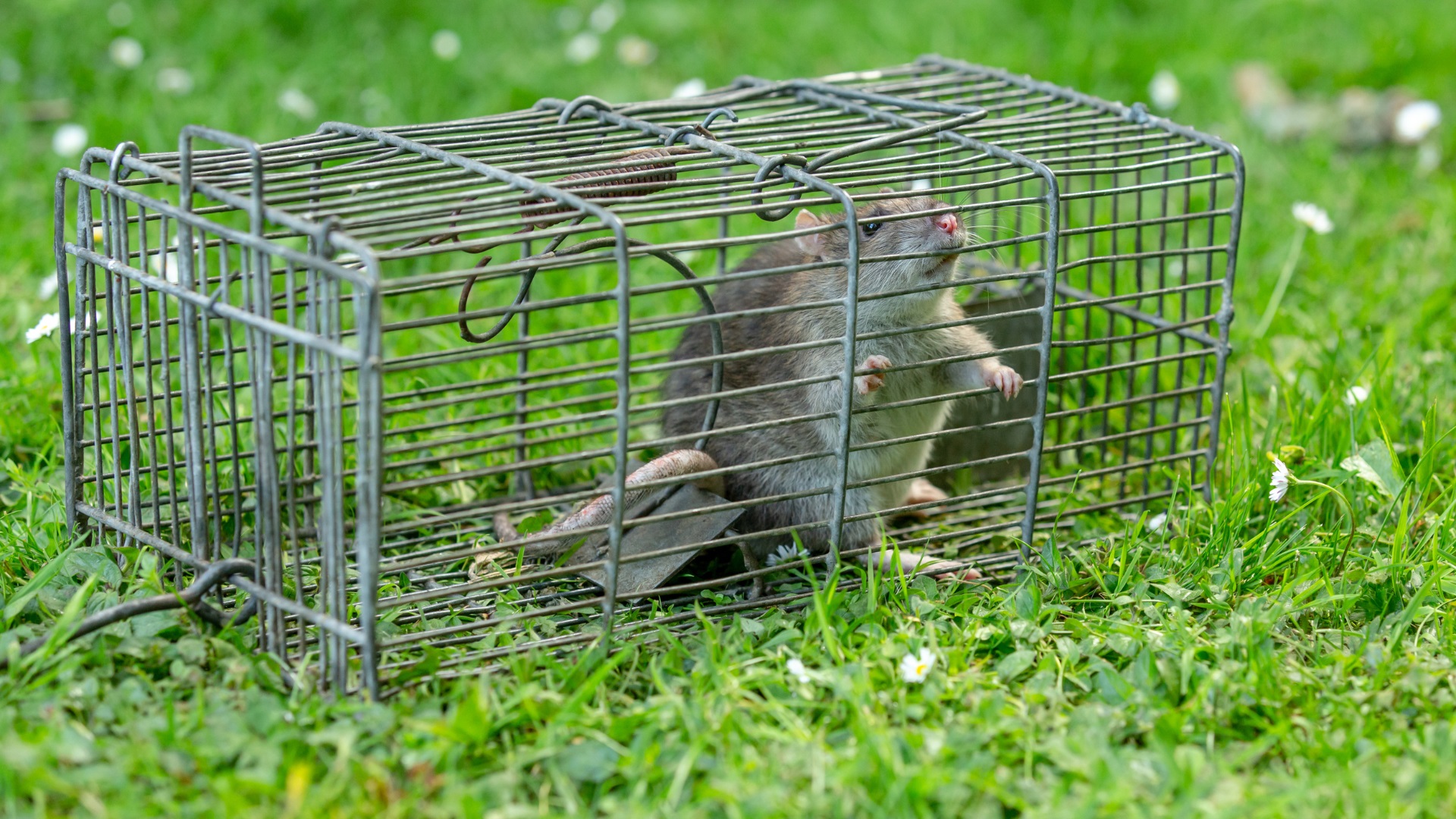
- Trapping solutions with snap traps or live-capture devices positioned along identified rodent pathways
- Exclusion work, which involves sealing entry points, gaps, and cracks in walls, foundations, and rooflines. This may include implementing mechanical rodent proofing techniques
- Sanitation recommendations to eliminate food sources and reduce environmental attractants
- Proofing measures such as installing door sweeps, mesh screens, and weatherstripping
The treatment timeline varies depending on infestation severity, ranging from single-visit solutions for minor problems to multi-stage programs spanning several weeks for established colonies. Technicians provide detailed documentation of recommended actions, expected outcomes, and follow-up schedules to ensure complete rodent elimination from your Sydney property.
In addition to these methods, integrated pest management strategies may also be employed to ensure long-term prevention of rodent infestations. Furthermore, sanitation practices will be recommended to help eliminate food sources that attract rodents.
How Do Licensed Pest Control Services Ensure Safety and Environmental Considerations During Rodent Removal?
Licensed pest control services prioritize safe rodent control methods that protect families, pets, and the environment while eliminating infestations. Technicians use products approved by Australian regulatory standards, selecting treatments based on the specific circumstances of each property.
Key safety measures include:
- Placing bait stations in tamper-resistant enclosures to prevent access by children and pets
- Using targeted application techniques that minimize chemical exposure in living areas
- Selecting low-toxicity products for sensitive environments like kitchens and food preparation zones
- Implementing exclusion methods as the primary defense, reducing reliance on chemical treatments
Professionals assess the presence of non-target animals during Rodent Removal Sydney: What Happens During a Full House Inspection, adjusting their approach to avoid harming native wildlife or household pets. They provide clear instructions to homeowners about safety precautions during and after treatment, including temporary relocation of pets if necessary and proper ventilation protocols. All products and methods comply with Australian environmental protection guidelines, ensuring responsible pest management.
Related : Rat Control Sydney Explained: How Bait Stations and Traps Differ