Why Is Tree Pruning Important and How Much Does It Cost?
Tree pruning protects your property investment while keeping your trees healthy and structurally sound. This essential maintenance practice removes dead, diseased, or overgrown branches that threaten both tree vitality and nearby structures.
The Importance of Tree Pruning
The importance of tree pruning extends beyond aesthetics. According to The Spruce, tree pruning offers several benefits:
- Enhanced tree health: Removing diseased or damaged branches prevents infection spread throughout the tree
- Improved safety: Eliminating weak or overhanging branches reduces the risk of property damage and personal injury
- Better air circulation: Strategic cuts allow light and air to penetrate the canopy, strengthening the tree’s immune system
- Extended lifespan: Regular pruning can add years to a tree’s life by maintaining its structural integrity
- Pest resistance: Well-maintained trees are less susceptible to insect infestations and disease
Understanding Tree Pruning Costs
Tree pruning cost varies significantly based on multiple factors. Professional services typically range from $150 for small trees to $2,000 or more for large, complex jobs. A 30-foot oak tree might cost $500-$800 to prune, while a mature eucalyptus exceeding 60 feet could reach $1,500-$2,000.
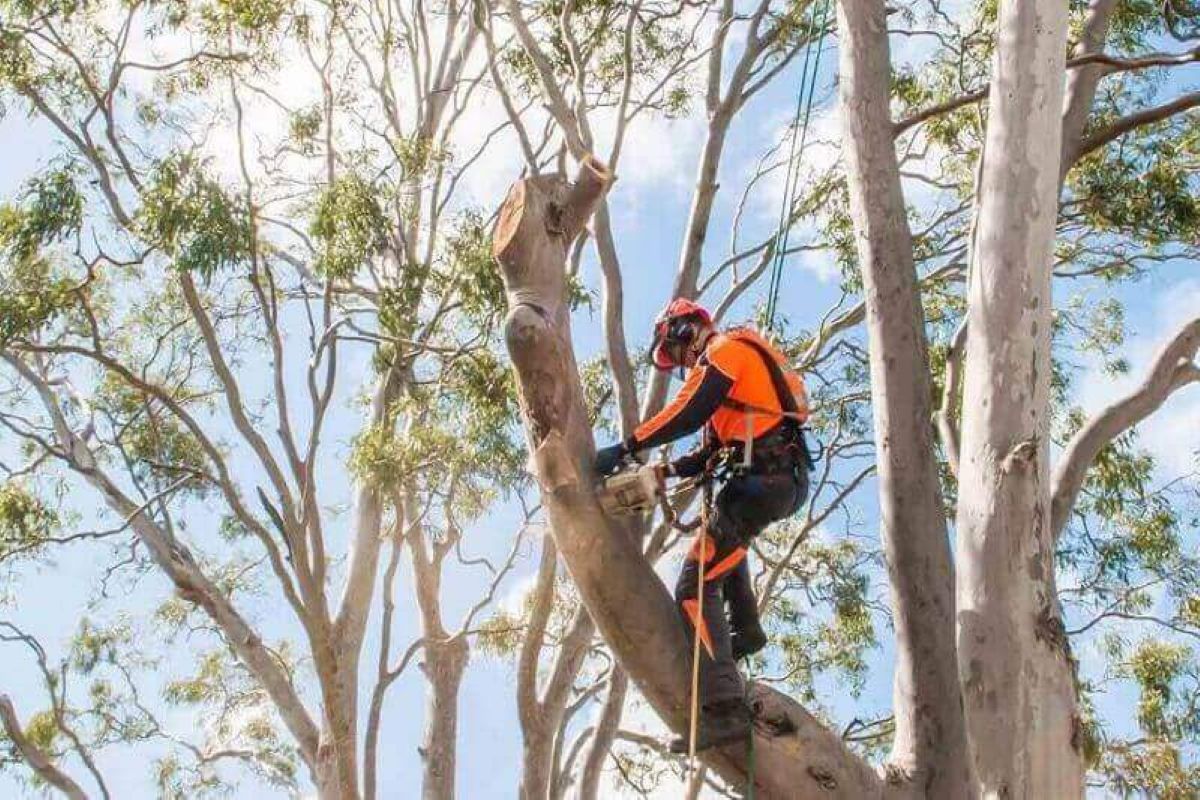
The price reflects the specialized skills and equipment required. Certified arborists bring expertise in proper cutting techniques that promote healing and prevent long-term damage. Their equipment—from climbing gear to hydraulic lifts—ensures safe access to high branches without harming the tree or surrounding property.
Factors Affecting Tree Pruning Costs
Several factors influence the cost of tree pruning services:
- Tree size: Larger trees generally require more time and effort to prune, resulting in higher costs.
- Tree species: Different tree species have varying growth patterns and characteristics, which can impact the complexity of pruning.
- Accessibility: If the tree is located in a hard-to-reach area or near structures, additional equipment or precautions may be necessary, increasing costs.
- Pruning method: The specific pruning techniques used (such as crown cleaning or crown reduction) can also affect pricing.
Understanding these cost structures helps you make informed decisions about your tree care budget.
What Factors Affect the Cost of Tree Pruning Services?
Several factors influence the cost of tree pruning services. Understanding these factors can help you estimate the potential expenses involved in maintaining your trees.
1. Tree Size
Tree size stands as the primary factor influencing tree pruning cost, with larger trees requiring more time, specialized equipment, and experienced arborists to complete the job safely. A small tree under 30 feet might cost $150-$400 to prune, while a large tree exceeding 60 feet can easily reach $1,500-$2,000 or more.
- Tree height directly correlates with:
- Increased labor hours
- Need for bucket trucks or climbing equipment
- Higher insurance requirements for arborists
- Greater complexity in accessing upper branches
2. Tree Species
The tree species plays a significant role in determining pruning expenses. Hardwood trees like oak and maple require more effort to cut through dense branches compared to softer woods like pine or birch. Some species also demand specific pruning techniques to maintain their health and natural growth patterns, which can add to the service cost.
3. Location Accessibility
Location accessibility presents another crucial pricing factor. Trees situated near power lines, buildings, or other structures require extra precautions and specialized techniques to prevent damage. Urban properties with limited access for equipment typically incur higher costs than trees in open spaces where machinery can operate freely.
4. Tree Health Condition
The tree’s current health condition affects pricing substantially. Diseased or pest-infested trees need careful assessment and removal of affected branches to prevent spread, which takes additional time and expertise. Dead or dying branches also pose safety risks during removal, requiring more cautious handling and potentially increasing labor costs.
5. Number of Trees
If you have multiple trees requiring service, some providers may offer bulk discounts. It’s worth discussing this possibility with your chosen arborist to see if you can save on costs by having several trees pruned at once.
6. Pruning Method
The type of pruning method needed can also impact the overall cost. Different techniques such as crown cleaning (removing dead or diseased wood), thinning (reducing branch density), or reduction (shortening specific branches) may require varying amounts of time and skill.
7. Season and Weather Conditions
Seasonal factors can influence both the difficulty level of the work and the availability of arborists. Certain times of year may be busier for tree services due to increased demand after storms or during optimal growing seasons. Additionally, adverse weather conditions such as rain or snow can make it challenging to perform pruning tasks safely and efficiently.
8. Local Market Rates
Local market rates play a significant role in determining how much tree pruning services cost in your area. It’s beneficial to research prices from different providers nearby so that you have an understanding of what is considered reasonable within your region.
9. Debris Removal Requirements
After completing a pruning job, there will likely be debris left behind such as branches or leaves that need clearing away from your property. Depending on the amount of waste generated and any specific cleanup requests you have, this may incur additional fees.
10. Permit Requirements
In certain municipalities, permits might be necessary before carrying out any major tree work including pruning activities especially if they involve significant alterations like topping (cutting off large portions) or removal altogether.
11. Branch Density & Canopy Spread
Branch density refers to how thickly packed together a tree’s limbs are while canopy spread indicates how wide its foliage extends horizontally . Both these factors affect how much effort goes into each individual cut made during pruning process since denser canopies require more precise cuts while wider spreads necessitate longer reaches .
12.Ground Conditions Around The Tree
Ground conditions surrounding a particular tree also play an important role when it comes down deciding which equipment should be used , what safety measures must be taken etc . For instance , if there’s sloped terrain , soft soil or any landscaping features that need protection then those aspects must be factored into overall planning execution plan .
How Can Regular Tree Maintenance Help You Save Money on Pruning?
Regular tree maintenance acts as preventive medicine for your landscape, catching small issues before they become expensive problems. By scheduling consistent pruning sessions every 1-3 years depending on tree species and age, you avoid the need for major corrective work that can cost three to five times more than routine care.
The benefits of regular tree maintenance for cost savings extend beyond immediate price comparisons. When you maintain a consistent pruning schedule, arborists spend less time assessing damage and more time performing straightforward maintenance cuts. This efficiency translates directly to lower labor costs and shorter service times.
Prevention of Structural Problems
Trees left unpruned develop structural weaknesses that require complex corrective procedures. Crossed branches create wounds where disease enters, while heavy limbs grow at dangerous angles that eventually need emergency removal. Regular maintenance eliminates these risks during routine visits when branches are smaller and easier to manage.
A young tree shaped properly through annual pruning develops strong branch architecture that rarely needs intervention later. The cost difference is substantial: shaping a 5-year-old tree might cost $150-250, while correcting structural defects in a 15-year-old neglected tree could reach $800-1,500.
Reduced Emergency Service Calls
Neglected trees pose safety hazards that demand immediate attention, often outside regular business hours. Emergency tree services typically charge 50-100% premium rates compared to scheduled appointments. Dead branches identified during routine maintenance can be removed safely during normal working hours at standard rates.
Storm damage disproportionately affects poorly maintained trees. Regular pruning removes weak branches before weather events, reducing the likelihood of property damage and costly emergency cleanup. Insurance claims for tree-related damage can also impact your premiums long-term.
Extended Tree Lifespan
Consistent pruning extends tree life by 15-25 years on average, delaying or eliminating the need for expensive tree removal and replacement. Removing a mature tree costs $500-3,000 depending on size and location, while planting and establishing a replacement adds another $300-1,000. Regular $200-400 annual maintenance sessions represent significant savings compared to these replacement costs.
Disease spreads rapidly in unpruned trees where dead wood and dense canopies create ideal conditions for pathogens. By maintaining proper spacing between branches through regular pruning, you promote airflow and sunlight penetration that strengthens overall health and resilience against diseases.
In addition to direct cost savings from avoided removals and replacements, extended lifespans contribute to long-term financial benefits such as increased property value associated with mature trees or reduced energy expenses due to shade provision.
Overall, investing in regular tree maintenance not only keeps your landscape looking its best but also protects your wallet from potential future expenses related to neglected or improperly cared-for trees.
See Also : Is it Worth Hiring a Level 5 Arborist Sydney for Development Applications?
When Should You Prune Different Types of Trees to Minimize Costs?
Pruning at the right time significantly reduces costs by minimizing stress on trees and preventing expensive corrective work. Strategic timing considerations for cost-effective tree pruning align with each species’ natural dormancy periods and growth cycles, ensuring healthier outcomes with fewer follow-up visits.
Deciduous Trees: Late Fall to Winter Pruning
Deciduous trees benefit most from pruning during their dormant season between late fall and winter. The absence of leaves provides clear visibility of the tree’s structure, allowing arborists to work more efficiently and complete jobs faster. This efficiency translates directly into lower labor costs since professionals can identify problem branches without obstruction.
Winter pruning also prevents disease transmission. Many tree pathogens remain inactive during cold months, reducing the risk of infection through fresh cuts. Trees pruned during dormancy heal faster once spring arrives, channeling energy into wound closure rather than fighting off infections that would require additional treatments.
Evergreen and Coniferous Species: Early Spring or Mid-Summer
Pine, spruce, and other conifers require different timing than deciduous varieties. Early spring pruning before new growth emerges or mid-summer pruning after the spring growth flush both work well. These windows allow trees to seal wounds quickly using their natural resin production.
Avoid pruning conifers during fall or winter when their defense mechanisms slow down. Poor timing can leave trees vulnerable to pest infestations and disease, potentially doubling your costs through necessary pest control treatments or emergency interventions.
Flowering Trees: Post-Bloom Scheduling
Flowering trees demand species-specific timing to preserve blooms and reduce repeat visits:
- Spring-flowering trees (magnolia, cherry, dogwood) should be pruned immediately after flowering ends
- Summer-flowering trees (crape myrtle, rose of Sharon) respond best to late winter or early spring pruning
- Fall-flowering varieties benefit from pruning in late spring after frost danger passes
Pruning at the wrong time eliminates next season’s blooms, prompting property owners to request additional shaping work the following year. This creates unnecessary expenses that proper scheduling prevents.
Fruit Trees: Late Winter Maintenance
Fruit-bearing trees achieve optimal results with late winter pruning before new growth begins. This timing allows for better fruit production as it encourages strong branch development while minimizing potential damage during active growing seasons.
Should You Attempt DIY Tree Pruning or Hire Professionals for Cost Efficiency?
DIY tree pruning appears cheaper upfront, with basic equipment costing $50-$200, while professional services range from $150-$2,000 per session. The real cost difference emerges over time when considering potential mistakes, safety risks, and long-term tree health outcomes.
The Hidden Costs of DIY Tree Pruning
Improper cutting techniques can permanently damage trees, leading to disease vulnerability and structural weakness. A single incorrect cut on a major branch creates entry points for pathogens, potentially costing thousands in future tree removal or extensive corrective work. DIY pruners often lack knowledge about proper branch collar identification, cutting angles, and wound response patterns specific to different species.
Common DIY mistakes include:
- Removing too much foliage at once (over 25% canopy removal stresses trees)
- Creating flush cuts that damage the branch collar
- Leaving stubs that invite decay and pest infestation
- Topping trees, which destroys natural structure and promotes weak regrowth
- Working without proper safety equipment near power lines
When DIY Pruning Makes Financial Sense
Small maintenance tasks on young trees under 15 feet tall suit DIY efforts. Removing dead twigs, light shaping, and trimming accessible branches with hand pruners costs minimal time and money while building tree care skills.
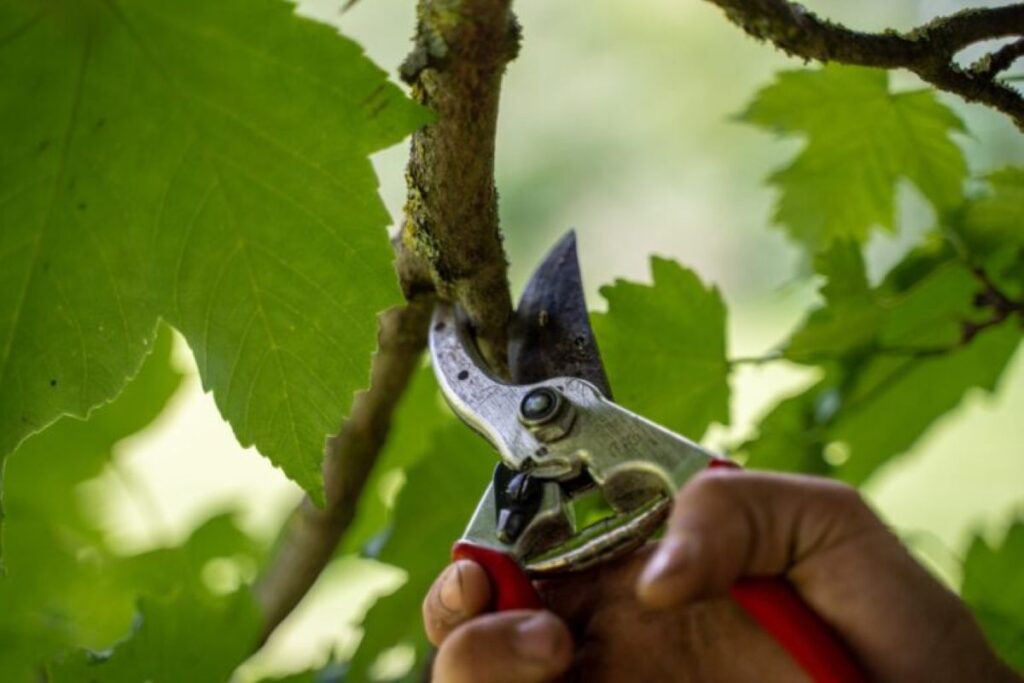
Ground-level work on shrubs and small ornamental trees requires only basic tools: bypass pruners ($20-$40), loppers ($30-$60), and a pruning saw ($25-$50). These investments pay for themselves after 2-3 sessions compared to professional rates.
The Professional Advantage in Cost Efficiency
Certified arborists identify underlying health issues during routine pruning, preventing expensive emergency interventions. Their trained eye spots early signs of disease, pest damage, or structural defects that untrained homeowners miss until problems escalate.
Professional equipment enables efficient work on large trees. Bucket trucks, climbing gear, and commercial-grade chainsaws complete jobs in hours that would take DIY enthusiasts days or prove impossible without specialized access tools.
Insurance and Liability Considerations
Professional tree services carry liability insurance covering property damage and injuries. A
How Can Customized Tree Care Plans Contribute to Lower Pruning Expenses?
Customized tree care plans reduce pruning expenses by addressing specific tree needs before they escalate into costly problems. A tailored approach identifies the unique requirements of each tree species, age, and condition on your property, allowing you to allocate resources efficiently rather than applying generic maintenance schedules that may result in over-pruning or neglecting critical issues.
Understanding the Role of Tailored Care Plans in Reducing Tree Pruning Costs
Professional arborists assess individual trees to create schedules that match their growth patterns, health status, and environmental conditions. This targeted strategy prevents unnecessary pruning sessions while ensuring interventions happen at optimal times. A mature oak tree, for instance, requires different attention than a young flowering cherry—customized plans account for these variations.
Key benefits of personalized tree care schedules include:
- Preventive maintenance timing that catches issues like weak branch unions or crossing limbs before they require emergency intervention
- Species-specific pruning frequencies that respect natural growth cycles and minimize stress on trees
- Priority-based resource allocation focusing budget on trees with the greatest health or safety concerns
- Documentation of tree history enabling arborists to track changes and adjust care strategies accordingly
How Personalized Schedules Prevent Expensive Corrective Work
Trees receiving care aligned with their specific needs develop stronger structures and better resistance to pests and diseases. A customized plan might recommend light annual pruning for fast-growing species like eucalyptus while scheduling less frequent but more thorough sessions for slow-growing natives. This precision prevents the accumulation of dead wood, diseased branches, or structural defects that demand costly corrective pruning later.
Property owners with multiple trees benefit significantly from differentiated care schedules. Rather than pruning every tree annually regardless of need, a tailored plan might stagger maintenance across seasons and years. Some trees receive attention in winter dormancy, others during specific growth phases, distributing costs over time while maximizing tree health outcomes.
Matching Pruning Intensity to Tree Conditions
Customized plans adjust pruning intensity based on current tree conditions rather than following rigid schedules. A tree recovering from storm damage might need minimal intervention to reduce stress, while a healthy specimen could undergo more extensive shaping cuts. By being responsive to each tree’s situation, these plans mitigate the risk of over-pruning or under-pruning—two common pitfalls that lead to increased expenses down the line.
In addition to these benefits, incorporating principles from CPTED (Crime Prevention Through Environmental Design) into your customized tree care plan can further enhance its effectiveness. This approach not only focuses on the health and maintenance of the trees but also considers their impact on safety and security in the surrounding environment.
Moreover, understanding the scientific principles behind arboriculture can significantly improve your customized care plans. These resources provide valuable insights that can help in creating more effective and sustainable tree care strategies.
What Tools and Techniques Can Help You Prune Trees More Efficiently Without Breaking the Bank?
The right equipment doesn’t have to drain your wallet. Investing in quality basic tools that match your pruning needs can deliver professional results at a fraction of the cost of hiring services for every small job.
Essential Affordable Equipment for Home Tree Pruning
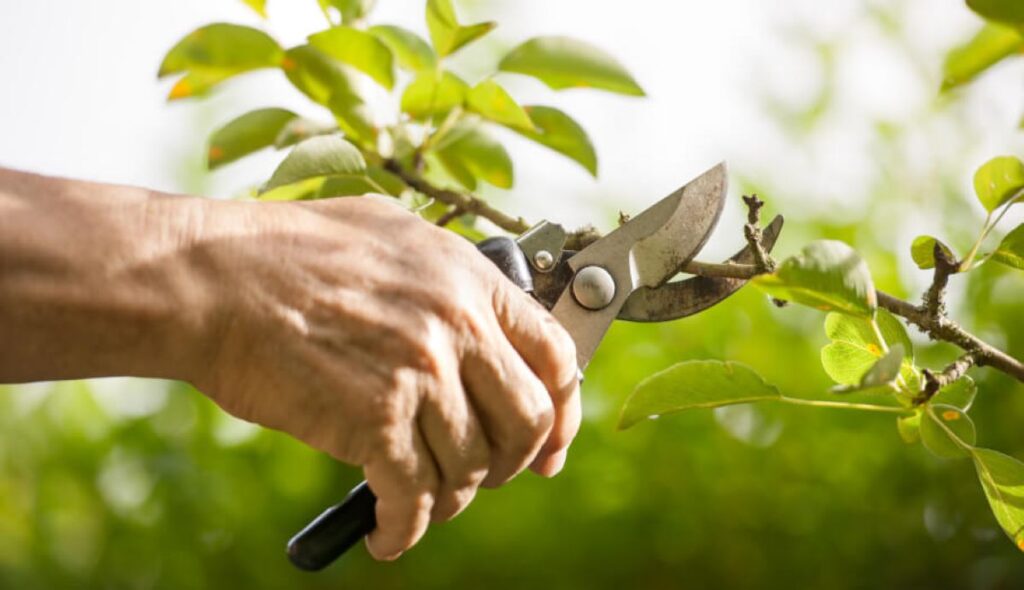
Hand pruners (also called secateurs) handle branches up to 3/4 inch diameter and typically cost between $20-$60 for reliable models. Bypass pruners work best for live branches, making clean cuts that heal quickly and reduce disease risk.
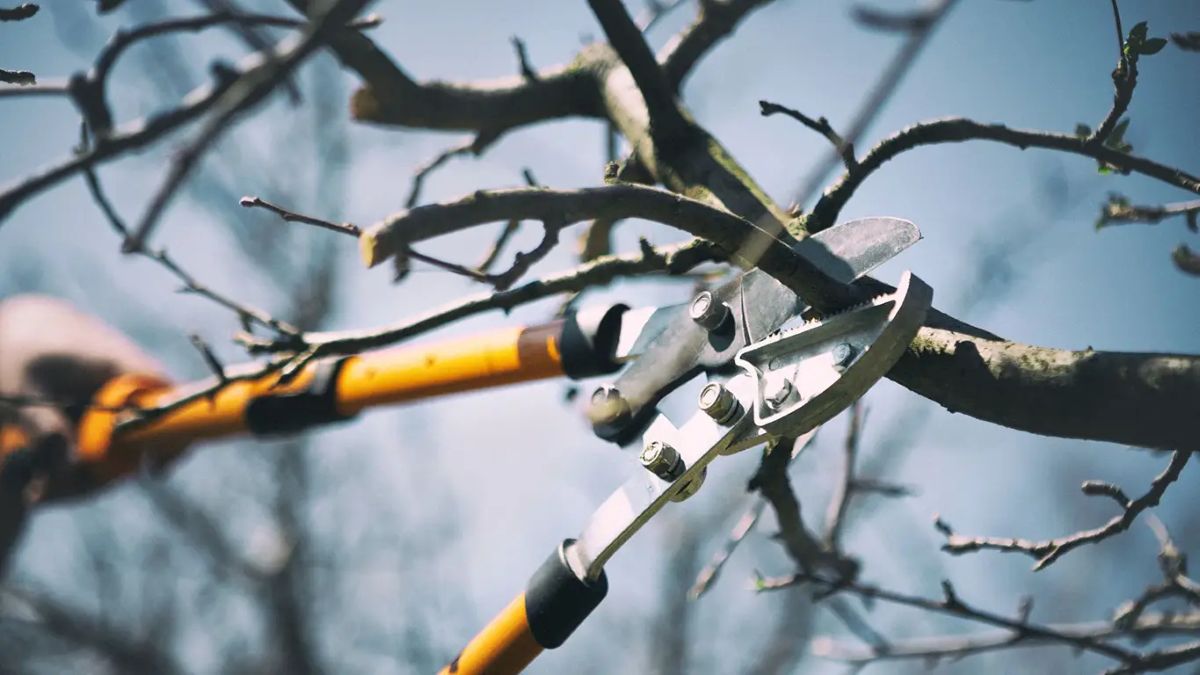
Loppers extend your reach and cutting power for branches 1-2 inches thick. Quality loppers range from $40-$100 and eliminate the need for ladders on lower branches. Look for models with telescoping handles that adjust to different heights.
Pruning saws tackle branches over 2 inches in diameter. A curved blade pruning saw ($25-$70) cuts efficiently on the pull stroke, requiring less effort than straight-blade alternatives. Folding models offer safe storage and portability.
Pole pruners combine a saw or lopper with an extension pole, reaching branches up to 15 feet high from the ground. These tools ($50-$150) reduce the need for expensive aerial equipment rental or professional services for moderately tall trees.
Cost-Effective Techniques That Protect Tree Health
The three-cut method prevents bark tearing on larger branches. Make an undercut 12-18 inches from the trunk, then a top cut slightly further out to remove the branch weight, and finally a clean cut at the branch collar. This technique prevents costly damage that invites disease.
Proper cutting angles matter tremendously. Cut just outside the branch collar at a 45-60 degree angle to promote rapid healing. Flush cuts or stubs create entry points for pathogens, potentially requiring expensive treatment or removal later.
Sterilizing tools between cuts costs mere cents but prevents disease spread between branches and trees. A simple solution of 70% isopropyl alcohol or a 10% bleach solution applied with a cloth takes seconds and protects your investment.
Thinning cuts versus heading cuts serve different purposes in shaping your trees while maintaining their health.
How Can Budgeting Periodically Support Affordable Tree Care in the Long Run?
Setting aside funds regularly for tree maintenance prevents financial shock when pruning becomes necessary. A monthly or quarterly tree care budget, akin to the principles of creating a budget, transforms large, unexpected expenses into manageable, predictable costs that fit comfortably within your household finances.
The Financial Impact of Neglect
Trees don’t stop growing when budgets get tight. Skipping scheduled pruning to save money today often results in emergency situations tomorrow—overgrown branches threatening power lines, diseased limbs requiring urgent removal, or structural failures causing property damage. These crisis interventions typically cost 2-3 times more than preventive maintenance would have.
Emergency tree services charge premium rates, sometimes $500-$1,000 above standard pricing for after-hours or urgent calls. Property damage from fallen branches can cost thousands in repairs, with insurance deductibles adding another financial burden.
Creating a Realistic Tree Care Budget
Calculate your annual tree maintenance needs based on:
- Number and size of trees on your property
- Species-specific pruning requirements
- Age and current health condition
- Previous pruning history and frequency
A property with three mature trees might budget $600-$1,200 annually for routine pruning, spread across monthly savings of $50-$100. This approach highlights the importance of budgeting for ongoing tree maintenance expenses—small, consistent contributions prevent financial strain.
Tracking and Adjusting Your Budget
Monitor actual pruning costs against your budget estimates. Keep records of:
- Service dates and costs
- Work performed on each tree
- Arborist recommendations for future care
- Seasonal variations in pricing
These records help refine future budgets and identify cost-saving opportunities. You might discover that bundling multiple trees in one service visit reduces per-tree costs by 15-25%.
Building an Emergency Reserve
Beyond regular maintenance funds, establish a separate emergency tree fund covering unexpected situations like storm damage or sudden disease outbreaks. Aim for $500-$1,000 in reserve, replenishing it after any emergency use. This buffer protects your primary budget from disruption while ensuring immediate access to professional help when needed.
Conclusion
Strategic tree care doesn’t require excessive spending when you apply the right knowledge and planning. The expert tips recap on reducing tree pruning costs demonstrates that informed homeowners can maintain beautiful, healthy trees while keeping expenses manageable through consistent maintenance schedules, proper timing, and smart decision-making about when to DIY versus hiring professionals.
Your trees represent a long-term investment in your property’s value and environmental health. Regular pruning sessions prevent minor issues from escalating into expensive emergency interventions. Understanding your specific tree species, their growth patterns, and optimal pruning windows allows you to work with nature’s rhythms rather than against them.
Expert Tips for Reducing Tree Pruning Cost center on three core principles:
- Prevention over correction: Small, routine maintenance costs far less than extensive corrective work
- Knowledge-based timing: Pruning during dormant seasons or species-specific windows maximizes tree health while minimizing stress
- Balanced approach: Combining DIY efforts for simple tasks with professional services for complex work optimizes your budget
Customized care plans tailored to your landscape’s unique needs eliminate unnecessary treatments while ensuring critical maintenance happens on schedule. Setting aside modest amounts regularly transforms tree care from a financial burden into a predictable, manageable expense.
Healthy trees require attention, not necessarily large sums of money. Your commitment to understanding tree biology, investing in quality tools for appropriate tasks, and building relationships with qualified arborists creates a sustainable approach to tree stewardship. This proactive mindset protects both your trees and your wallet for decades to come.