Every florist in the country claims freshness. It is the most overused and least verified word in the industry. But freshness is not a vibe, it is a measurable thing, and once you know what to look for you can assess it in about ten seconds.
This guide covers what fresh flower delivery Sydney really requires, how to inspect an arrival, and how to stretch a bouquet from five days to twelve.
Freshness starts before dawn
The supply chain is short in Sydney, which is an enormous advantage. Growers in the Hawkesbury, the Central Coast, the Southern Highlands and further afield truck cut flowers into the Sydney Flower Market at Flemington overnight. Florists buy on the floor before sunrise.
A florist who buys three to six mornings a week can offer genuine fresh flower delivery Sydney. A business that takes a weekly wholesale drop cannot, no matter what the website says.
The second lever is species choice. Locally grown seasonal stems have travelled hours, not days. Imported material moves under biosecurity controls including treatment and inspection, and the Department of
Agriculture, Fisheries and Forestry publishes detail on how pests in imported cut flowers and foliage are managed through fumigation, systems approaches and certification. Those processes are necessary and well run, but they add days between harvest and vase.
The ten second freshness inspection
When a bouquet arrives, check five things.
- Petal edges. Crisp and firm is fresh. Translucent, bruised or browning edges mean age.
- Foliage. Leaves should be turgid and green. Yellowing lower leaves indicate time in water.
- Stem ends. A clean, pale, angled cut is good. Slimy, dark or mushy ends are a bad sign.
- Water clarity. Cloudy water in a bouquet bag means bacteria have had a head start.
- Openness. Roses should be in a firm cup, lilies mostly in bud, hydrangea full but not papery. Everything fully open means everything arrived late in its life.
A genuine fresh flower delivery Sydney order passes all five. If yours fails two or more, photograph it and contact the florist the same day.
Which flowers give you the longest run
If longevity is the goal, choose accordingly.
- Two to four weeks: banksia, protea, kangaroo paw, geraldton wax, eucalyptus, dried elements
- Ten to fourteen days: chrysanthemum, carnation, alstroemeria, lisianthus, orchid stems
- Seven to ten days: roses, oriental lilies, gerbera, sunflowers, snapdragon
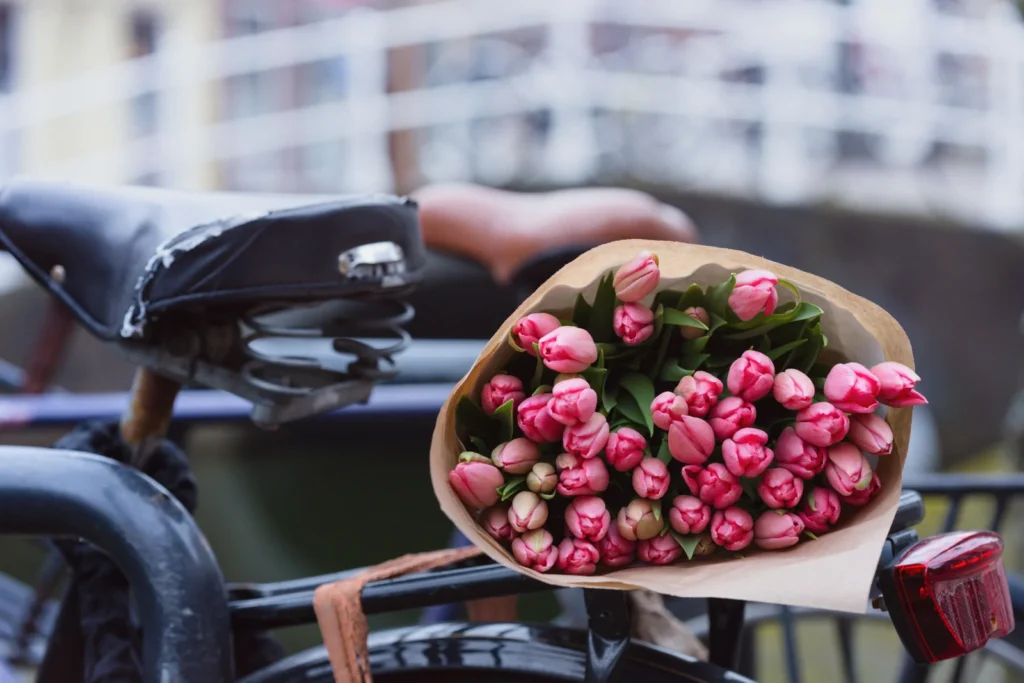
- Four to seven days: peony, tulip, ranunculus, dahlia, hydrangea, sweet pea
The short-lived group is not worse. It is simply more seasonal and more fleeting, which is part of its appeal. Just know what you are buying so you can set expectations.
The science of a longer vase life
Three processes end a cut flower’s life: dehydration, bacterial blockage of the stem, and hormone-driven senescence. Water care handles the first two. The third is mostly about ethylene.
Ethylene sensitivity varies enormously by species. Research listed through the University of Melbourne on ethylene sensitivity in Australian native cut flower genera found that Calothamnus, Grevillea and Philotheca were not significantly shortened by ethylene exposure, while a silver thiosulphate treatment significantly extended vase life.
That helps explain why native arrangements are so robust in a Sydney home, where summer heat and a nearby fruit bowl would quickly finish off more sensitive imports.
Aftercare that actually extends life
Tell the recipient to do these six things.
- Unwrap immediately and re-cut two centimetres off every stem on a sharp angle
- Use a clean vase, not a rinsed one, and fresh cool water
- Add the flower food sachet, and use the whole thing
- Strip any foliage that will sit below the waterline
- Change the water every second day, re-trimming stems each time
- Keep the vase out of direct sun, away from heating and cooling vents, and away from ripening fruit
Those six steps routinely add three to five days. Done properly, a good fresh flower delivery Sydney bouquet will run well past a week.
Sydney’s climate complication
Local conditions are not neutral. A February afternoon on the Lower North Shore can sit above thirty degrees, and a bouquet left on a sunlit Mosman doorstep for two hours will lose days of life before it ever reaches water.
That is why delivery logistics are part of freshness. Ask for a morning slot in summer. Provide a recipient mobile so the driver can hand over in person. If the recipient will be out, nominate a shaded spot or a neighbour.
Winter has its own trap: reverse cycle heating dries a room fast. Keep vases away from vents and consider a cooler room overnight.
Seasonal picks for maximum freshness
- Spring: ranunculus, tulips, boronia, waratah, flannel flower
- Summer: sunflowers, hydrangea, dahlias, celosia, tropicals
- Autumn: garden roses, dahlias, berries, lisianthus
- Winter: camellia, hellebore, jonquil, banksia, wattle
Buying in season is the simplest route to fresh flower delivery Sydney results, because in season stock moves through the market fastest and spends the least time in storage.
Questions that reveal real freshness
Ask when the flowers were purchased. Ask whether the bouquet is made to order. Ask what was best at the market this morning. Ask which stems in the arrangement are locally grown.
A florist offering real fresh flower delivery Sydney will enjoy those questions. Someone pulling a bouquet off a pre-made shelf will not.
The bottom line
Freshness is a chain: early market buying, careful conditioning, cool storage, a short clustered delivery run, and good aftercare. Break any link and the flowers pay for it.
Ask the right questions, choose in season, and pass on the aftercare. That is how fresh flower delivery Sydney turns into flowers still looking good next weekend.